UCLA Researchers Discover Brain's Natural Defense System Against Alzheimer's Tau Buildup
Scientists at UCLA Health and UC San Francisco have identified a previously unknown cellular defense mechanism that helps protect brain cells from the toxic protein accumulation associated with Alzheimer's disease, according to a new study published in the journal Cell.
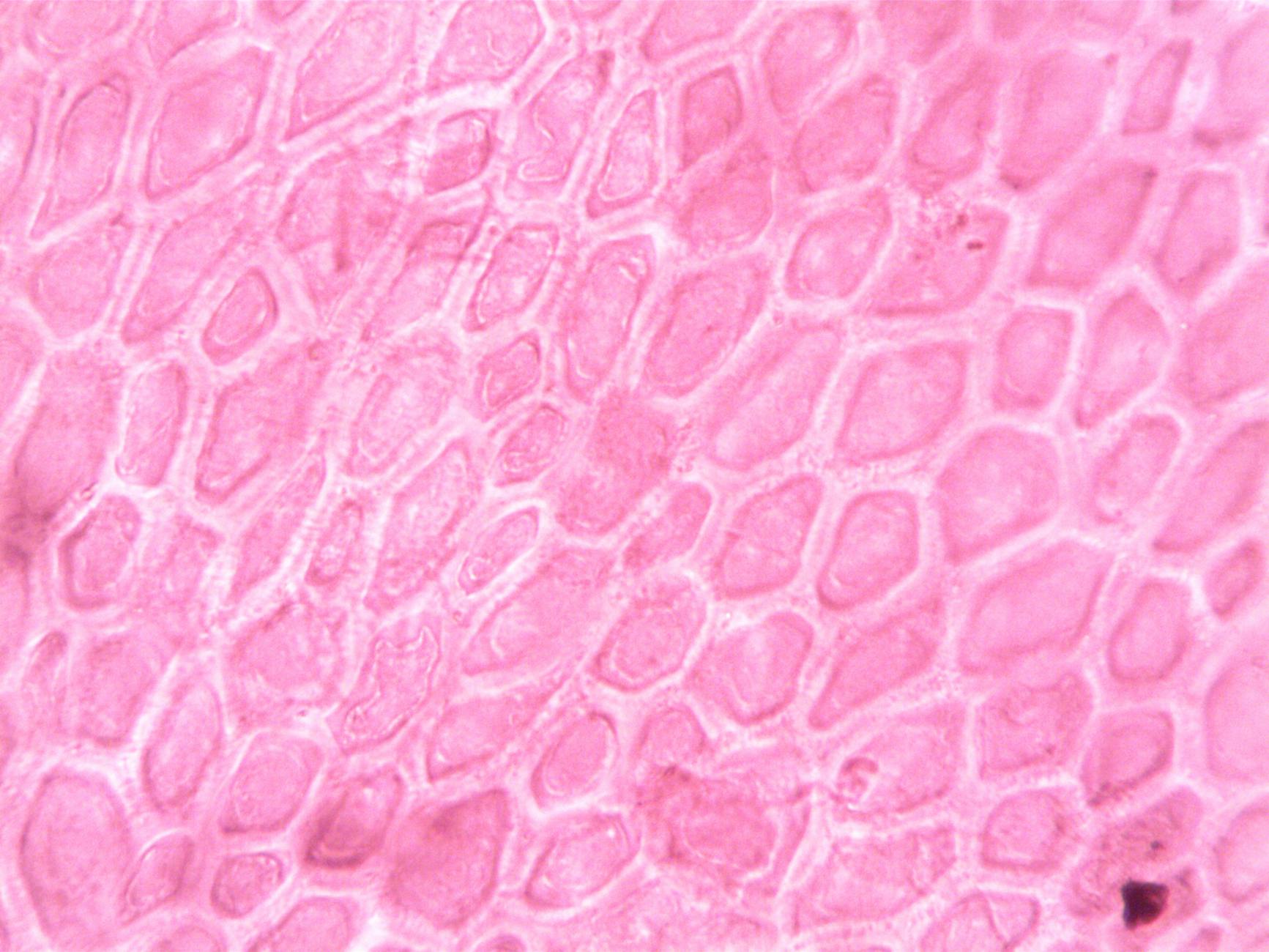
Scientists at UCLA Health and UC San Francisco have identified a previously unknown cellular defense mechanism that helps protect brain cells from the toxic protein accumulation associated with Alzheimer’s disease, according to a new study published in the journal Cell.
The research reveals why some neurons resist damage from tau protein better than others, potentially opening new avenues for treating neurodegenerative diseases that affect millions of Americans.
Using advanced CRISPR-based genetic screening techniques on lab-grown human neurons, the research team mapped the internal systems controlling tau accumulation inside brain cells. Tau forms harmful clumps that damage and kill neurons, contributing to conditions including frontotemporal dementia and Alzheimer’s disease.
“We wanted to understand why some neurons are vulnerable to tau accumulation while others are more resilient,” said study first author Dr. Avi Samelson, assistant professor of Neurology at UCLA Health, who conducted the research while at UCSF. “By systematically screening nearly every gene in the human genome, we found both expected pathways and completely unexpected ones that control tau levels in neurons.”
The team used human neurons grown in laboratories along with a gene-silencing tool called CRISPRi to systematically test which genes influence tau buildup. Their large-scale screen identified a protein complex called CRL5SOCS4 that acts as the brain’s natural “cleanup crew.”
This protein complex labels tau with molecular tags that direct it toward the cell’s waste disposal system for breakdown and removal, according to the study. The researchers found that boosting this natural cleanup pathway could form the basis for new therapies targeting neurodegenerative diseases.
In experiments using neurons derived from human stem cells, researchers switched off individual genes to observe how each influenced toxic tau clumping. Out of more than 1,000 genes identified in the screen, CRL5SOCS4 emerged as particularly significant. The complex works by attaching chemical markers to tau, signaling the cell’s recycling machinery to destroy it.
When the team examined brain tissue from people with Alzheimer’s disease, they discovered that neurons with higher levels of CRL5SOCS4 components were more likely to survive despite tau accumulation, according to the study findings.
The research also uncovered an unexpected connection between mitochondrial problems and tau toxicity. Mitochondria function as the cell’s energy generators, and when researchers disrupted these structures, cells began producing a specific tau fragment measuring approximately 25 kilodaltons.
This fragment closely matches a biomarker detected in the blood and spinal fluid of Alzheimer’s patients, known as NTA-tau, according to the study.
“This tau fragment appears to be generated when cells experience oxidative stress, which is common in aging and neurodegeneration,” Samelson said. “We found that this stress reduces the efficiency of the proteasome, the cell’s protein recycling machine, causing it to improperly process tau.”
The discovery of this natural defense system represents a significant advancement in understanding why certain brain cells demonstrate greater resilience against neurodegenerative diseases. Tau is recognized as the most common protein known to aggregate in neurodegenerative disorders, yet scientists have long struggled to explain the varying vulnerability among different neurons.
The findings suggest that strengthening the brain’s natural defenses through the CRL5SOCS4 pathway could lead to new treatment strategies for conditions that currently lack effective therapies. The research provides crucial insights into the biological differences that may help explain why some neurons survive longer in the presence of toxic protein accumulation.
This breakthrough could have particular significance for Hawaii’s aging population, as neurodegenerative diseases become increasingly prevalent with advancing age. The identification of the brain’s natural cleanup mechanisms offers hope for developing targeted interventions that could enhance cellular resilience against tau-related damage.