
Drug overdose deaths in the United States have dropped significantly over the past two years, but addiction researchers warn that the nation risks accepting what remains a devastating annual death toll as the new normal.

University of Cambridge researchers have discovered that golden retrievers and humans share genetic foundations for emotions and behavior, according to a groundbreaking study published in the Proceedings of the National Academy of Sciences.

The federal committee responsible for advising scientists, health agencies, and Congress on autism research has canceled its first scheduled public meeting since undergoing a significant membership overhaul earlier this year, according to federal health officials.

President Trump's signature drug discount platform, TrumpRx, has delivered few available medications and unclear usage data one month after its highly publicized launch, according to a new report.

Vinay Prasad, the Food and Drug Administration's director of the Center for Biologics Evaluation and Research who has overseen regulation of vaccines and gene therapies, will leave the agency at the end of April, according to FDA Commissioner Marty Makary.

Emergency departments across the United States saw a significant drop in acetaminophen orders for pregnant women following President Trump's September warning linking the common painkiller to autism, according to a new study published Thursday in The Lancet.

Hawaii children may face increased risk from nicotine exposure as vaping products become more prevalent, according to new national data showing a dramatic shift in how young children encounter tobacco products.

Libya has successfully eliminated trachoma as a public health problem, according to validation announced by the World Health Organization today. The achievement makes Libya the 28th country worldwide and the eighth in the Eastern Mediterranean Region to reach this milestone in preventing blindness from the neglected tropical disease.
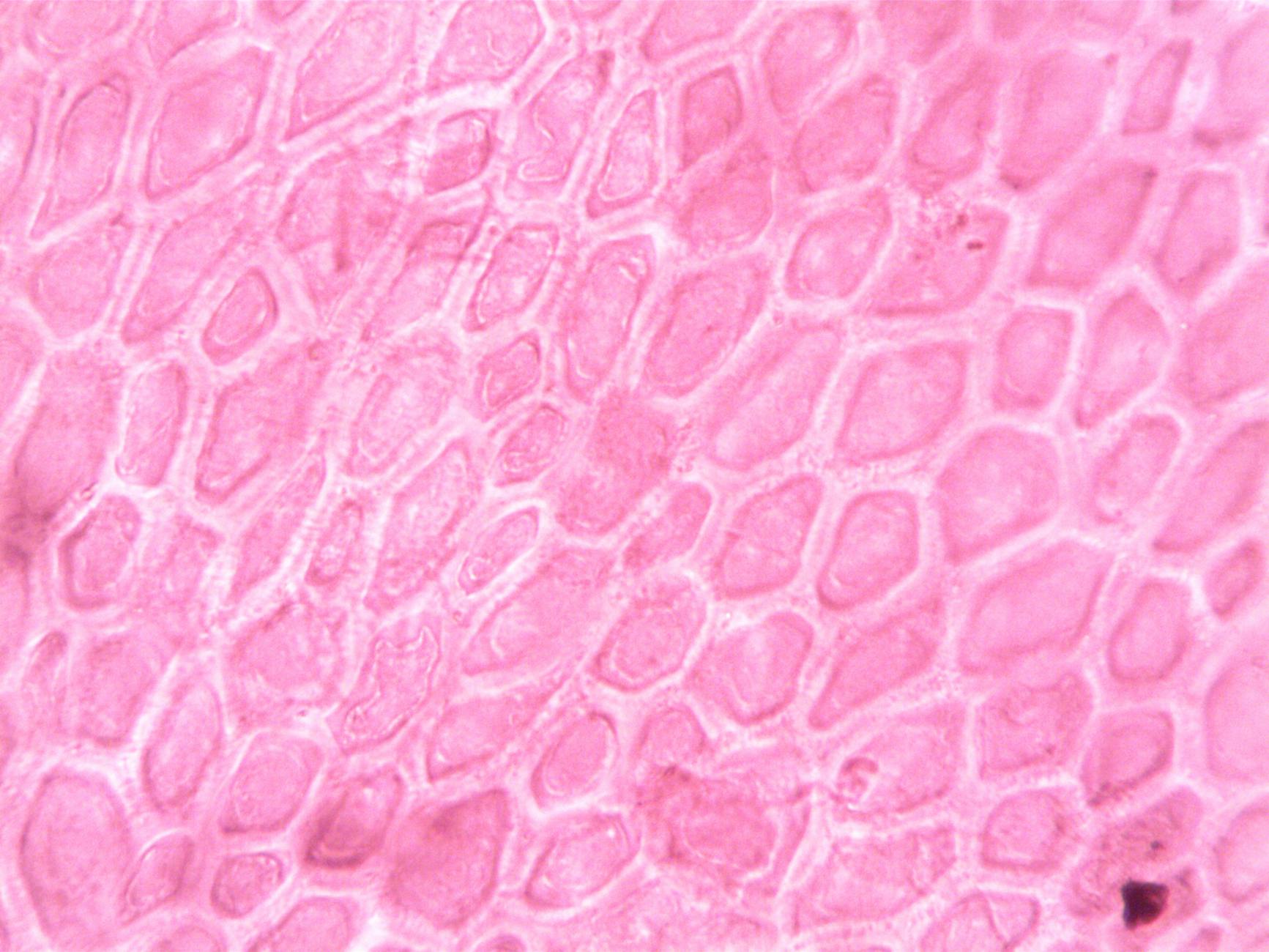
Scientists at UCLA Health and UC San Francisco have identified a previously unknown cellular defense mechanism that helps protect brain cells from the toxic protein accumulation associated with Alzheimer's disease, according to a new study published in the journal Cell.